
Home Remedies to cure Prostate Cancer
Prostate cancer is a significant health concern among men worldwide. Understanding its causes, symptoms, diagnosis, treatment options, and preventive measures is crucial for effective management and prevention. This article aims to provide comprehensive insights into prostate cancer, covering various aspects from its biology to prevention strategies.
What is Prostate Cancer?
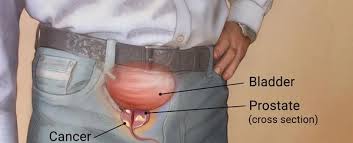
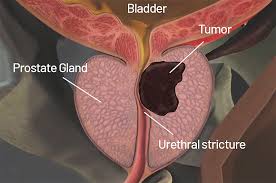
Prostate cancer originates in the prostate gland, a walnut-sized gland located below the bladder and in front of the rectum. It is a part of the male reproductive system and produces seminal fluid, which nourishes and transports sperm. Prostate cancer occurs when abnormal cells in the prostate gland start multiplying uncontrollably, forming tumors.
Normal Size of the Prostate Gland:
The size of the prostate gland varies with age. In children, the prostate gland is typically small, about the size of a pea. During puberty, it grows to the size of a walnut. In adult men, the prostate gland typically remains stable in size. However, in older men, especially after the age of 50, the prostate gland may enlarge due to a condition called benign prostatic hyperplasia (BPH).
Biology Behind Prostate Cancer:
The exact cause of prostate cancer is not fully understood, but several factors contribute to its development. These include genetic predisposition, hormonal imbalances, age, ethnicity, and environmental factors. Prostate cancer usually begins in the glandular cells of the prostate gland and may spread to surrounding tissues and other parts of the body if left untreated.
Why is it Common in Men?
Prostate cancer is more common in men due to the presence of the prostate gland, which is exclusive to the male reproductive system. Additionally, hormonal factors, such as the male sex hormone testosterone, play a role in the development and progression of prostate cancer.
At What Age Are Men Likely to Get Prostate Cancer?
The risk of developing prostate cancer increases with age, with most cases diagnosed in men over the age of 50. However, it can occur in younger men as well, particularly those with a family history of the disease or certain genetic mutations.
Symptoms of Prostate Cancer:
Early-stage prostate cancer may not cause any noticeable symptoms. However, as the disease progresses, men may experience symptoms such as:
Frequent urination, especially at night
Difficulty starting or maintaining a urine stream
Weak or interrupted urine flow
Blood in the urine or semen
Pain or discomfort in the pelvic area
Erectile dysfunction
When to See a Doctor?
It is essential to consult a doctor if you experience any symptoms suggestive of prostate cancer or if you have risk factors such as age, family history, or ethnicity. Early detection and prompt treatment can improve the prognosis and quality of life.
How Prostate Cancer is Diagnosed?
Diagnosing prostate cancer typically involves a combination of medical history evaluation, physical examination, and various tests, including:
Digital rectal examination (DRE)
Prostate-specific antigen (PSA) blood test
Transrectal ultrasound (TRUS)
Prostate biopsy
Treatments Available in the Market:
Treatment options for prostate cancer depend on various factors, including the stage and aggressiveness of the cancer, as well as the patient’s overall health and preferences. Common treatment modalities include:
Active surveillance or watchful waiting
Surgery (radical prostatectomy)
Radiation therapy (external beam or brachytherapy)
Hormone therapy
Chemotherapy
Immunotherapy
Natural Treatments for Prostate Cancer:
While natural treatments for prostate cancer may not replace conventional medical therapies, they may complement them and help alleviate symptoms or improve overall well-being. Some natural approaches to managing prostate cancer include:
Gourd juice with Ground Back pepper and Holy Basil -Combine fresh gourd juice with a pinch of ground black pepper and a few crushed holy basil leaves. Drink this mixture daily on an empty stomach. The anti-inflammatory properties of gourd and holy basil, combined with the antioxidant effects of black pepper, may help alleviate symptoms of prostate issues. Consistency is key for optimal results. Consult a healthcare professional before trying home remedies for prostate problems.
Dietary modifications: Consume a balanced diet rich in fruits, vegetables, whole grains, and lean proteins.
Regular exercise: Engage in physical activity regularly to maintain a healthy weight and reduce inflammation.
Herbal supplements: Some herbs, such as saw palmetto, may help alleviate symptoms of BPH.
Stress reduction techniques: Practice relaxation techniques such as meditation, yoga, or deep breathing exercises to reduce stress.
Acupuncture: Some studies suggest that acupuncture may help relieve symptoms of prostate cancer treatment, such as pain or fatigue.
Prostate massage: Prostate massage may help improve urinary symptoms and promote prostate health, but it should be done cautiously and under medical supervision.
Tomatoes and lycopene-rich foods: Tomatoes and foods rich in lycopene, such as watermelon and pink grapefruit, may help reduce the risk of prostate cancer.
Green tea: Green tea contains antioxidants called catechins, which may have anticancer properties.
Cruciferous vegetables: Vegetables like broccoli, cauliflower, and cabbage contain compounds that may help prevent prostate cancer.
Omega-3 fatty acids: Include omega-3-rich foods such as fatty fish (salmon, mackerel, sardines) in your diet, or consider taking fish oil supplements.
Selenium and vitamin E: These antioxidants may have protective effects against prostate cancer when consumed in appropriate doses.
Zinc: Adequate zinc intake is essential for prostate health, but excessive supplementation should be avoided.
Limit alcohol and caffeine: Excessive alcohol and caffeine consumption may exacerbate urinary symptoms in men with prostate cancer.
Maintain a healthy weight: Obesity and excess body fat may increase the risk of prostate cancer progression.
Probiotics: Probiotic foods such as yogurt and kefir may help maintain a healthy gut microbiota, which could indirectly benefit prostate health.
Avoid smoking: Smoking has been linked to an increased risk of aggressive prostate cancer, so quitting smoking is crucial for overall health.
Herbal remedies: Certain herbs like stinging nettle, pygeum, and rye grass pollen extract may help alleviate urinary symptoms associated with BPH.
Aromatherapy: Some essential oils, such as frankincense and lavender, may have calming effects and help reduce stress and anxiety.
Pelvic floor exercises: Pelvic floor exercises, also known as Kegel exercises, may help strengthen the muscles that control urination.
Stay hydrated: Drink plenty of water throughout the day to maintain urinary tract health and prevent dehydration.
Routine to Avoid Getting Prostate Cancer:
While there is no guaranteed way to prevent prostate cancer, adopting a healthy lifestyle and following these preventive measures may help reduce the risk:
Eat a balanced diet rich in fruits, vegetables, whole grains, and lean proteins.
Maintain a healthy weight through regular exercise and proper nutrition.
Limit intake of red meat and processed foods, which may increase the risk of prostate cancer.
Quit smoking and avoid exposure to secondhand smoke.
Limit alcohol consumption.
Stay physically active with regular exercise, such as walking, swimming, or cycling.
Manage stress through relaxation techniques, hobbies, or social activities.
Get regular medical check-ups and screenings, especially if you are at higher risk due to age, family history, or other factors.
What to Eat and What Not to Eat if Someone Has an Enlarged Prostate:
For individuals with an enlarged prostate, also known as benign prostatic hyperplasia (BPH), dietary modifications may help alleviate symptoms and improve urinary function. Foods to include in the diet:
Fruits and vegetables: Rich in vitamins, minerals, and antioxidants, fruits and vegetables support overall health and may help reduce inflammation.
Whole grains: Whole grains such as brown rice, whole wheat bread, and oats provide fiber, which supports digestive health and may help regulate bowel movements.
Healthy fats: Include sources of healthy fats such as olive oil, avocados, nuts, and seeds in moderation.
Lean proteins: Choose lean sources of protein such as poultry, fish, tofu, and legumes.
Foods to avoid or limit:
Red meat: High intake of red meat, particularly processed meats like bacon and sausage, may increase the risk of prostate cancer and exacerbate BPH symptoms.
Dairy products: Some studies suggest that high intake of dairy products, especially whole milk and cheese, may be associated with an increased risk of prostate cancer.
Spicy foods: Spicy foods and beverages such as caffeine and alcohol may irritate the bladder and worsen urinary symptoms in men with an enlarged prostate.
Sugary foods and beverages: Excessive consumption of sugary foods and beverages may contribute to weight gain and inflammation, which can worsen BPH symptoms.
Sodium-rich foods: High-sodium foods such as processed snacks, canned soups, and fast food may increase fluid retention and worsen urinary symptoms.
Conclusion:
Prostate cancer is a significant health concern for men worldwide, but with early detection, appropriate treatment, and preventive measures, its impact can be minimized. By understanding the causes, symptoms, diagnosis, treatment options, and preventive strategies outlined in this article, men can take proactive steps to protect their prostate health and overall well-being. Remember, regular medical check-ups, healthy lifestyle choices, and open communication with healthcare providers are key to maintaining optimal prostate health throughout life



One Comment